
Amal Trade Developers
Amal Trade supplies export-grade fresh vegetables from Pakistan — potato, onion, carrot, radish, bitter gourd, lady finger (okra), pumpkin, and green beans. Every consignment is harvested at maturity, washed, sorted, graded, and hygienically packed, then moved under ventilated or reefer conditions to match the agreed grade, packing format, and destination market requirements.
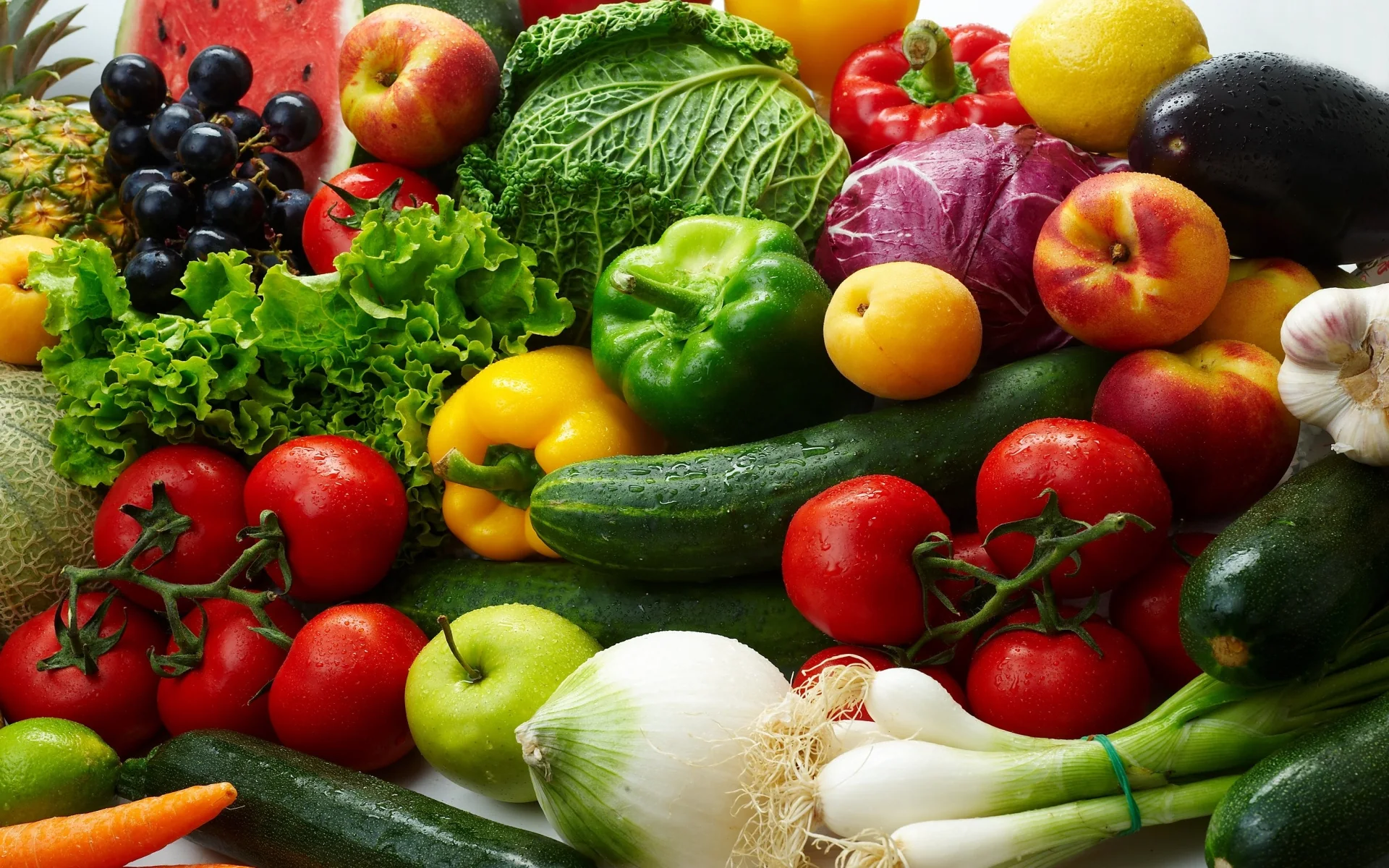
Sourced directly from growing regions in Punjab and Sindh, consolidated and packed for wholesale, retail, and food-service buyers.
Pakistan's varied climate zones allow different vegetable crops to peak at different times of the year, which is what makes a continuous supply programme possible. Amal Trade works with contracted growers across the main producing belts so that as one crop finishes, another comes into season — keeping importers stocked without gaps.
Our range covers root vegetables (potato, onion, carrot, radish), gourds and pods (bitter gourd, lady finger, pumpkin, green beans), and mixed loads where a buyer needs several lines in a single container. Produce is field-collected the same day, moved to the pack house, then washed, size-sorted, graded, and packed to your specified format.
We ship to the Gulf, Middle East, Europe, Africa, and Far East, in both full-container loads and consolidated mixed shipments. Documentation, phytosanitary clearance, and port handling are managed end to end.
Three things importers depend on most when sourcing vegetables from a new origin.
Contracted growers and same-day field collection mean produce reaches the pack house at harvest freshness — not after days in an intermediate market.
Every lot is washed where the crop allows, size-sorted, quality-graded, and packed under hygienic conditions in the format agreed with the buyer.
Pre-cooling, correct stowage, and temperature-controlled or ventilated containers protect condition and shelf life through the full transit period.
Select a vegetable to see grades, packing options, and seasonal availability in detail.

Clean, uniform-calibre potatoes in table and processing grades. Firm skin, low defect tolerance, and reliable storage behaviour make this our highest-volume vegetable line.
Season: Nov – Jun View Details →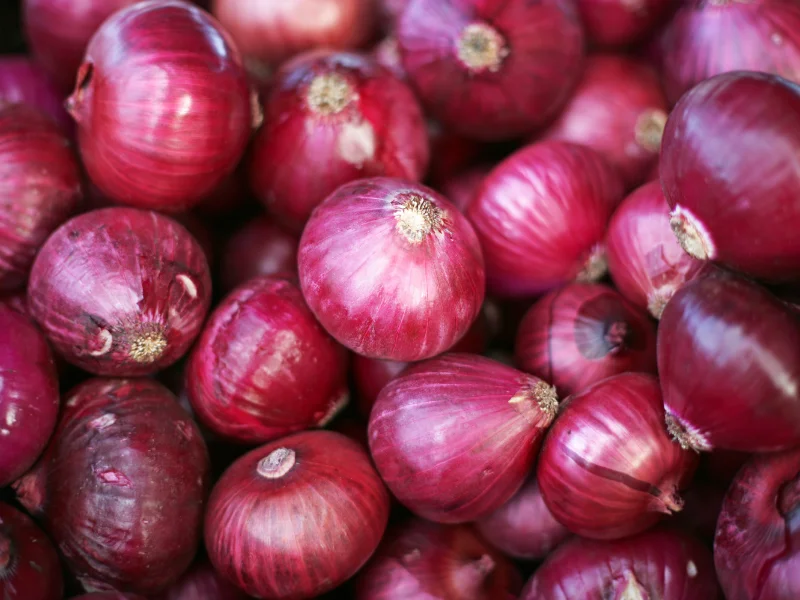
Well-cured onions with tight necks and strong shelf life, size-sorted and packed in mesh bags. A consistent performer into Gulf, Far East, and regional wholesale markets.
Season: Nov – Jun View Details →
Sweet, crisp carrots with strong colour development and smooth skin. Washed, graded by length and diameter, and packed for retail display or food-service volume.
Season: Nov – Mar View Details →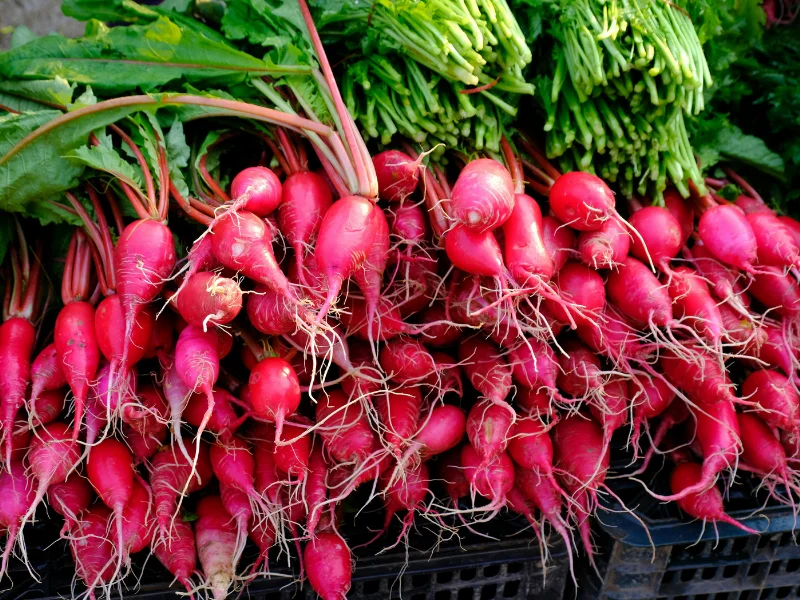
Crisp white radish lifted at peak tenderness before pithiness sets in. Cleaned, trimmed or bunched to preference, and moved quickly to hold its snap.
Season: Oct – Feb View Details →
Hand-picked green karela with even ridging and firm flesh, graded by length. High and steady demand across Gulf and Asian ethnic retail channels.
Season: Apr – Sep View Details →
Tender okra picked young so the pods stay snappable rather than fibrous. Uniform length grading and rapid pre-cooling suit both air and reefer sea shipments.
Season: Apr – Sep View Details →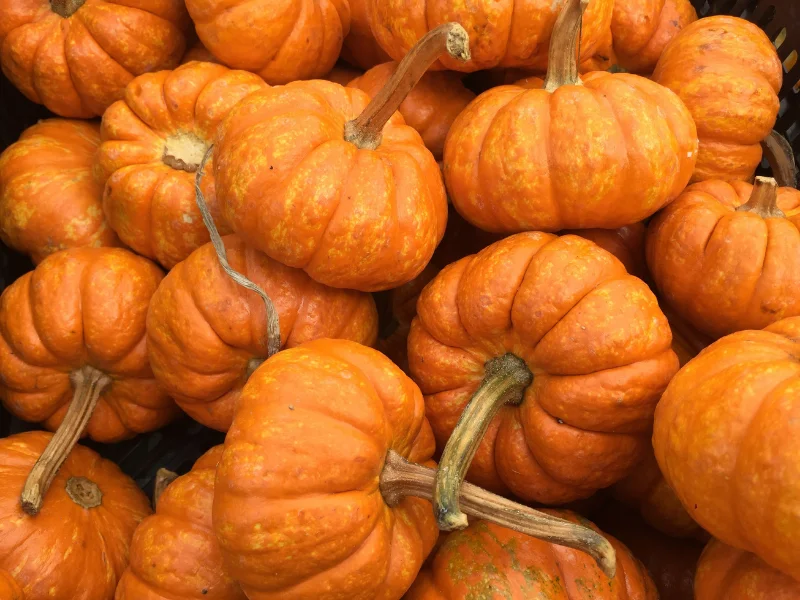
Firm-fleshed pumpkins with hard rind and intact stems — the most transit-tolerant line in our range, with excellent shelf stability at ambient temperatures.
Season: Jun – Oct View Details →
Crisp green beans graded for straightness and pod width, harvested before seed swell. Pre-cooled and packed in ventilated cartons to preserve colour and snap.
Season: Mar – Jun, Sep – Nov View Details →Indicative harvest windows for Pakistani vegetables. Actual availability shifts a few weeks each year with weather and growing region, so confirm at booking stage.
A clear specification at the enquiry stage means a firm, accurate quotation the same working week.
Fresh vegetables are living produce, and condition on arrival depends on the full chain — harvest maturity, pre-cooling, container temperature, transit duration, and handling at the destination port. We specify realistic shelf-life expectations for each line at quotation stage rather than over-promising, and we recommend agreeing inspection terms before the first shipment so both sides work to the same standard.
The points importers ask about most before placing a first order.
One full container is the standard minimum — typically a 20 ft or 40 ft reefer or ventilated unit depending on the vegetable. Smaller trial volumes can sometimes be arranged as part of a consolidated mixed load.
Yes, provided the lines are compatible in temperature and humidity requirements. Root vegetables mix well together; short shelf-life pod crops are usually better shipped separately or given priority stowage.
Mesh bags, jute bags, PP bags, telescopic cartons, and plastic crates in 5, 10, 20, 25, and 50 kg formats. Custom weights, private-label printing, and palletised loading are available on request.
Across the range, yes. Individual crops are seasonal, but the rotation between root and gourd crops means something is in season throughout the year. The calendar above shows indicative windows per line.
Commercial invoice, packing list, bill of lading, certificate of origin, and phytosanitary certificate as standard. Additional certificates required by the destination country can be arranged where applicable.
For most lines we send pre-shipment photographs and grading details first, since fresh produce samples degrade in courier transit. Physical samples can be arranged by air freight for buyers evaluating a long-term programme.
Share your required vegetables, grades, volumes, and delivery schedule — we will come back with availability, packing options, and export pricing for one-time or recurring shipments.